Zhi-De Deng, PhD
Engineer | Physicist | Brain Stimulation Researcher
Full-Time Awesome Person
Contact meDr. Deng is Senior Associate Scientist and Director of the Computational Neurostimulation Research Program at the National Institute of Mental Health, where he leads an interdisciplinary program at the intersection of electrical engineering, computational modeling, and psychiatric neuromodulation.
His research addresses a central challenge in brain stimulation: understanding precisely what a device does to the brain and how to make it do the right thing for each patient. His work spans three integrated areas: (1) mechanistic modeling of neurostimulation, linking device physics to neural and circuit-level responses; (2) personalized optimization of therapeutic dosing using patient-specific models and data to improve outcomes and reduce variability; and (3) model-driven neurotechnology development to design and evaluate next-generation stimulation systems in collaboration with clinicians and industry.
His electric field modeling established the fundamental depth–focality tradeoff in transcranial magnetic stimulation and has shaped how researchers, clinicians, and regulators evaluate stimulation devices, contributing to the scientific foundation for device clearance and clinical adoption. Parallel work in seizure therapy has demonstrated that patient-specific electric field modeling can identify the dose underlying both antidepressant response and cognitive side effects. His 2024 JAMA Psychiatry randomized clinical trial comparing magnetic seizure therapy with electroconvulsive therapy represents a milestone in evidence-based seizure treatment. He holds multiple patents on brain stimulation technology and dosing strategies and has authored more than 100 peer-reviewed publications.
Dr. Deng holds degrees in Physics (SB) and Electrical Engineering & Computer Science (SB, MEng) from MIT and a PhD in Electrical Engineering from Columbia University, followed by postdoctoral training at Duke University and a research fellowship at NIMH. He is a Senior Member of the IEEE, and has received numerous honors, including two NIMH Director's Awards for scientific innovation. His long-term vision is to integrate engineering and data-driven modeling into psychiatric practice, enabling a new generation of precise and personalized neuromodulation therapies.
Preclinical
Device Engineering
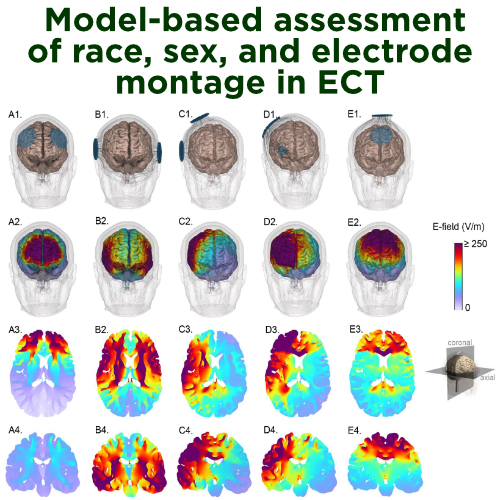
Computational Modeling & Methods
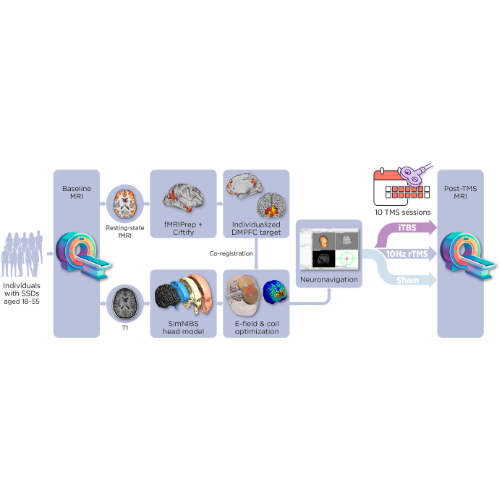
Cognitive & Clinical Applications
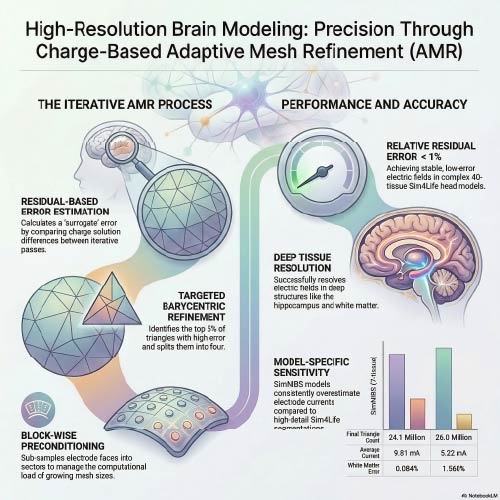
Computational Modeling & Methods
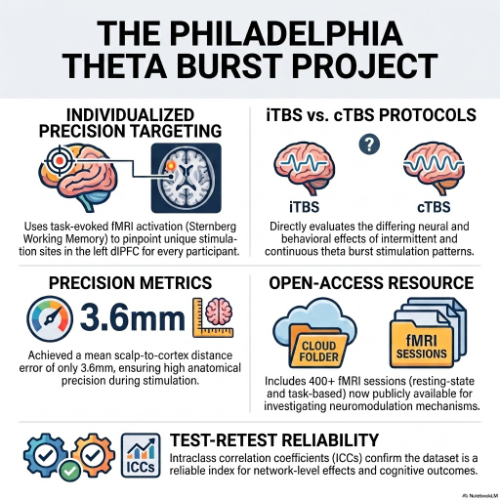
Neuroimaging & Biomarkers
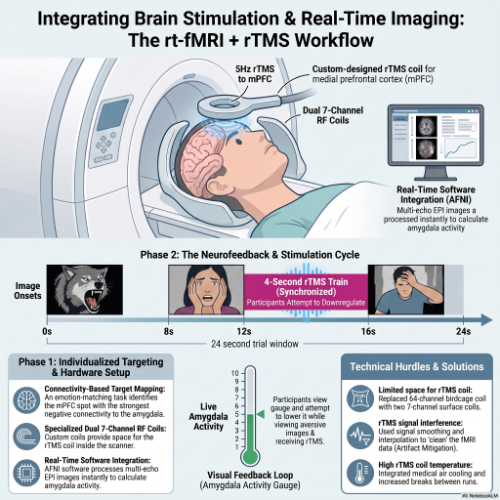
Neuroimaging & Biomarkers
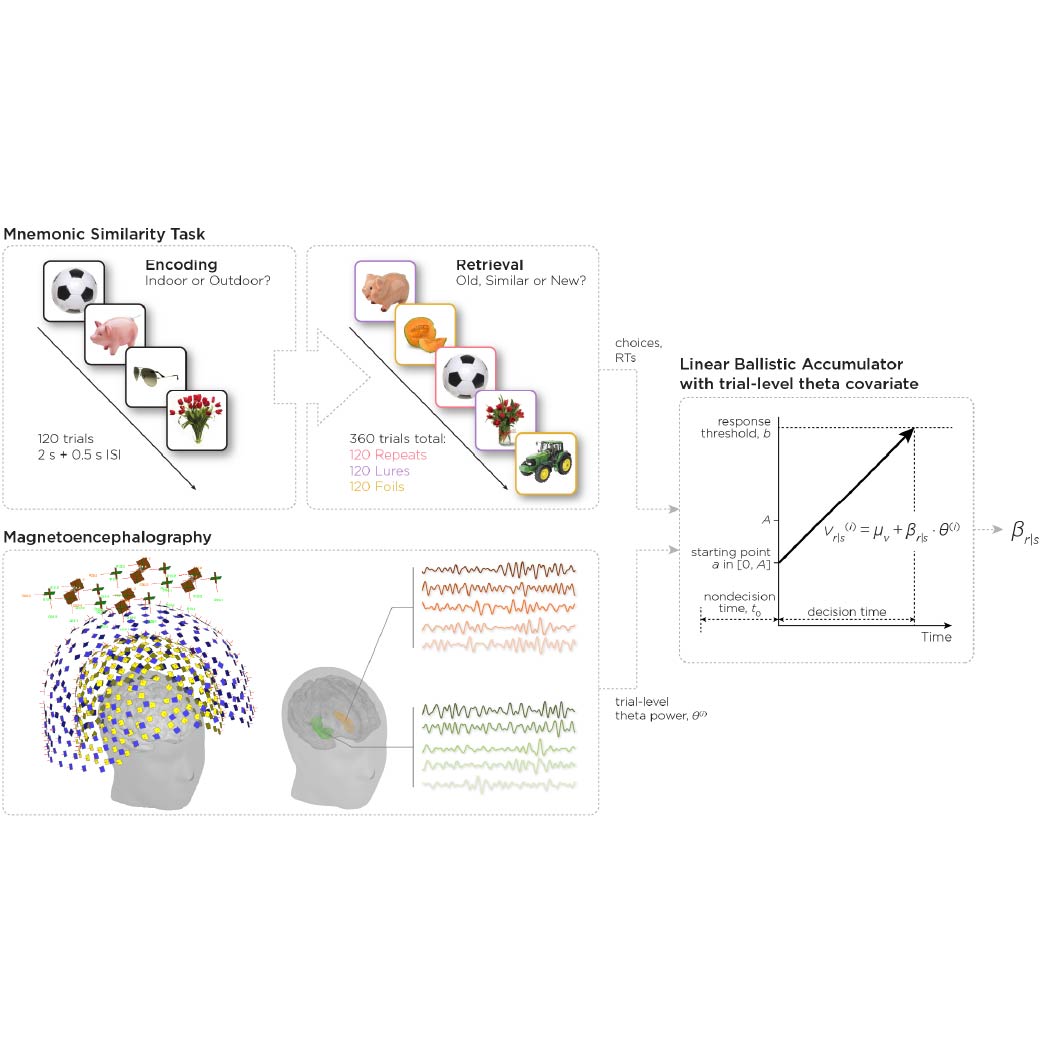
Neuroimaging & Biomarkers
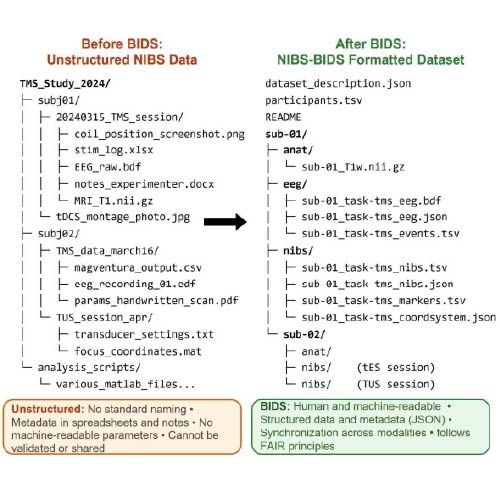
Data Standard
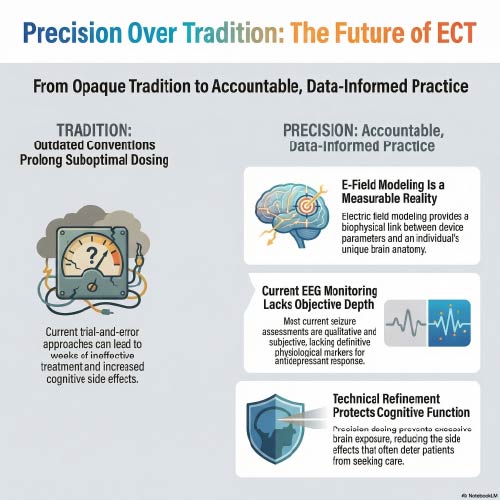
Perspective
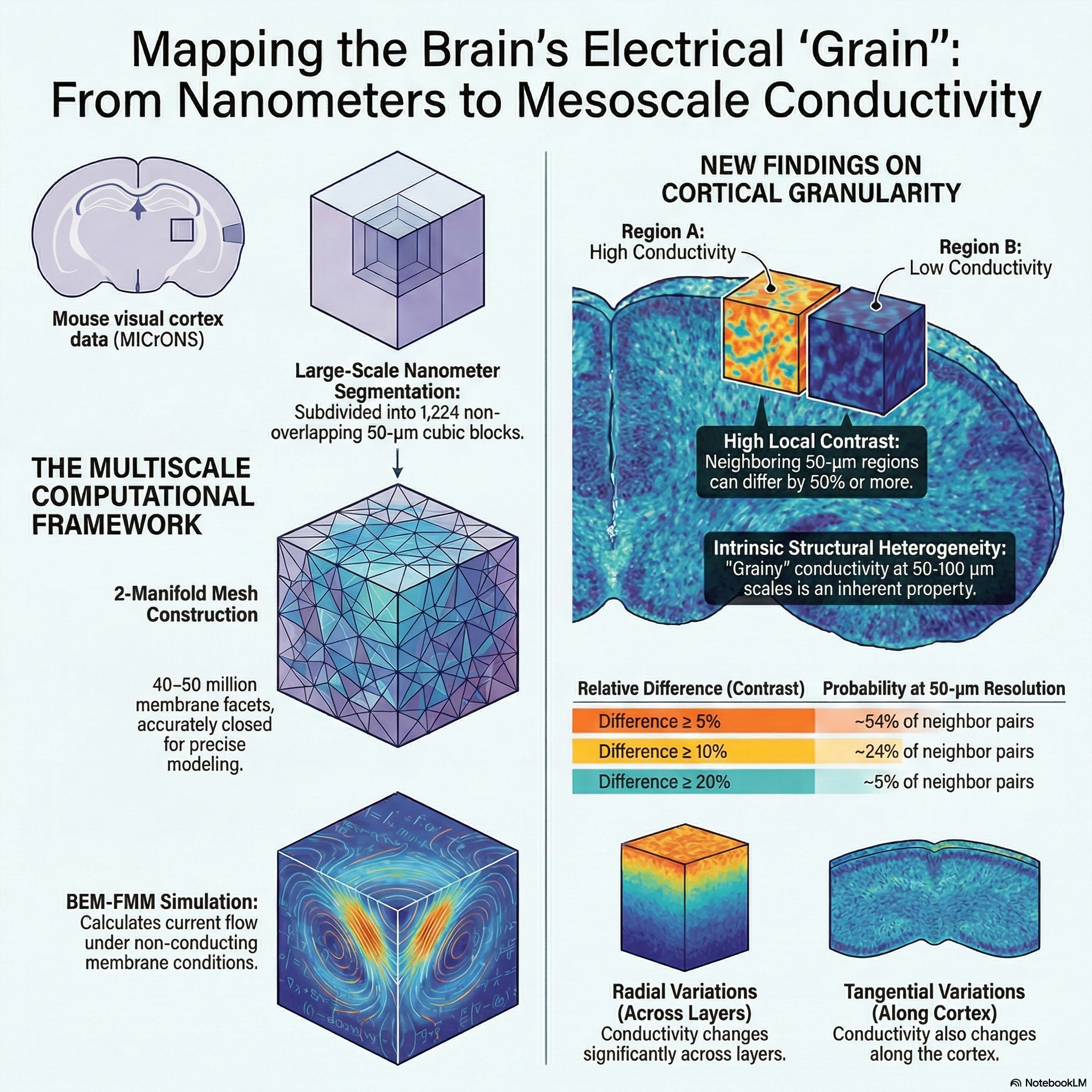
Biophysics
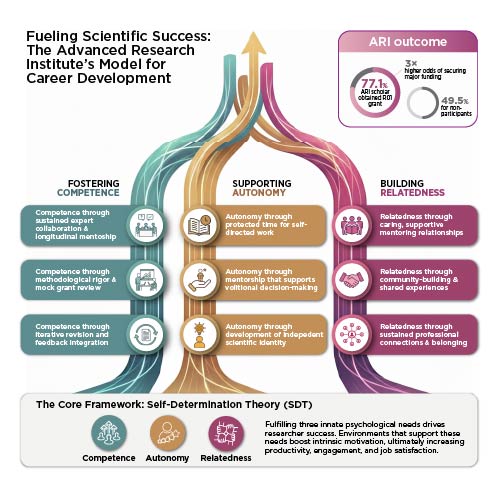
Perspective
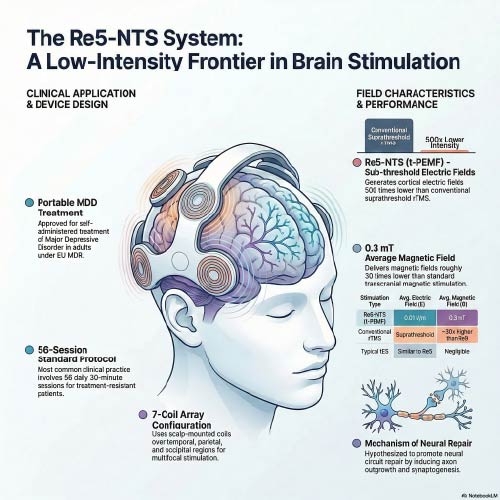
Device, Dosing & Clinical Outcomes
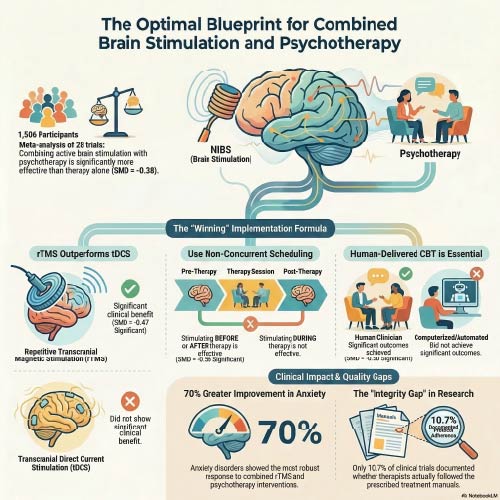
Cognitive & Clinical Applications
Biophysics
Targeting, Dosimetry & Technique

Cognitive & Clinical Applications
Targeting, Dosimetry & Technique
Device, Dosing & Clinical Outcomes
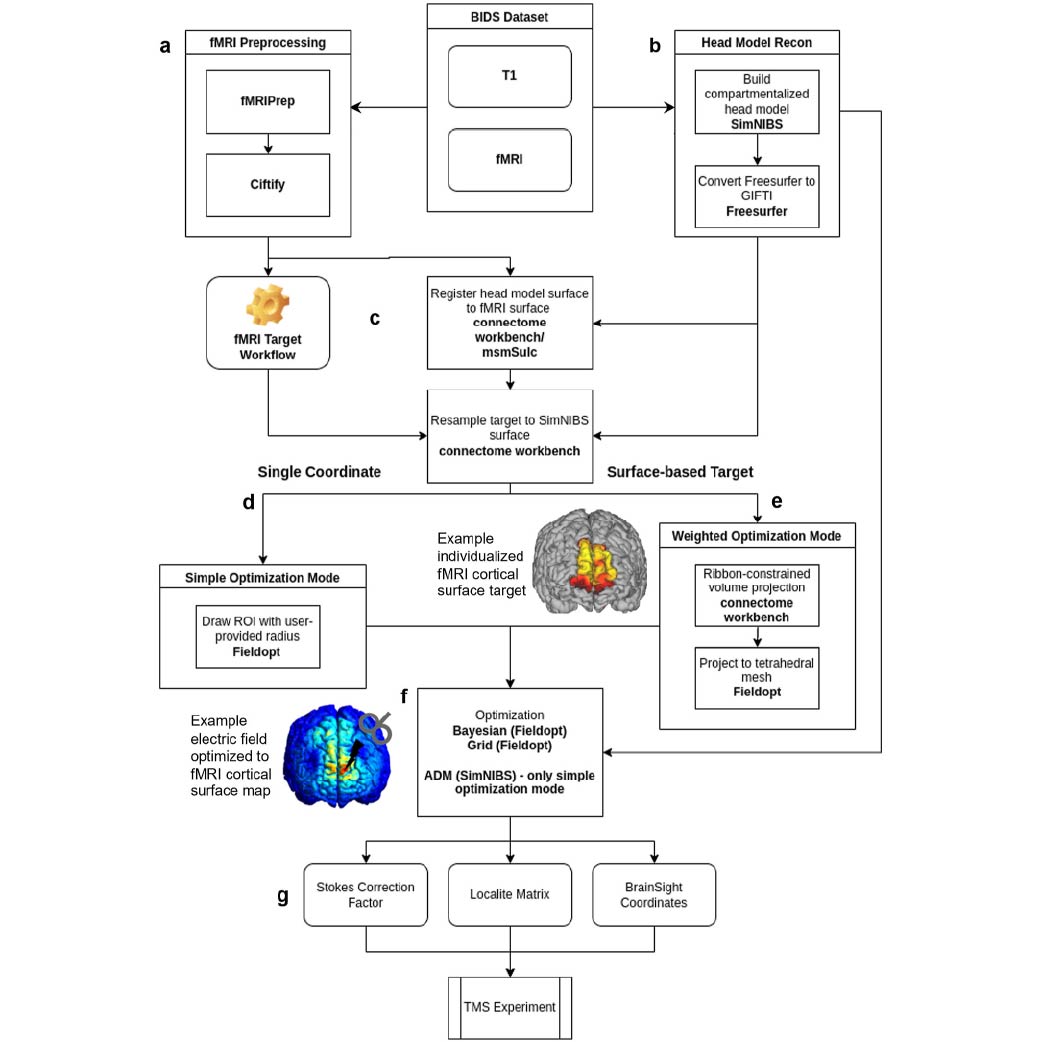
Computational Modeling & Methods
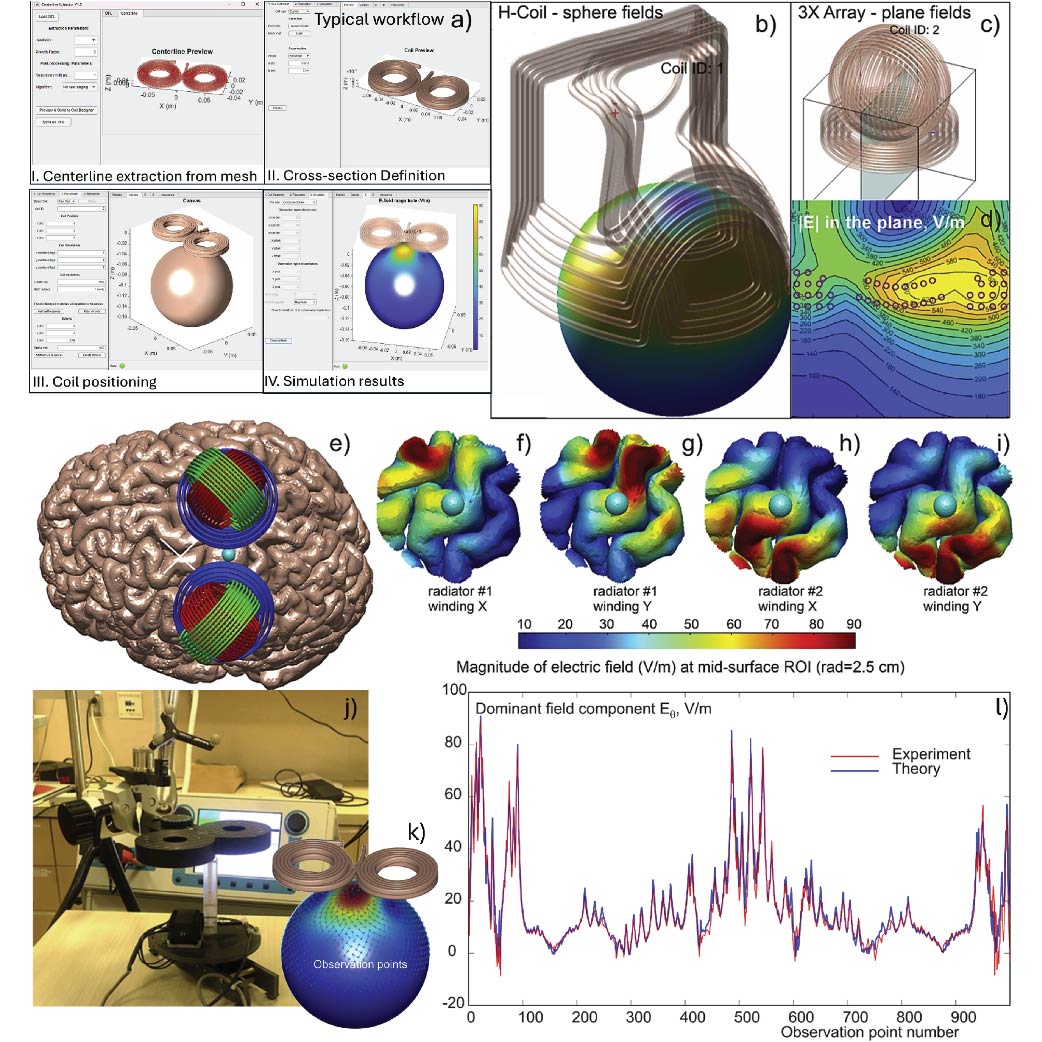
Computational Modeling & Methods
Device, Dosing & Clinical Outcomes
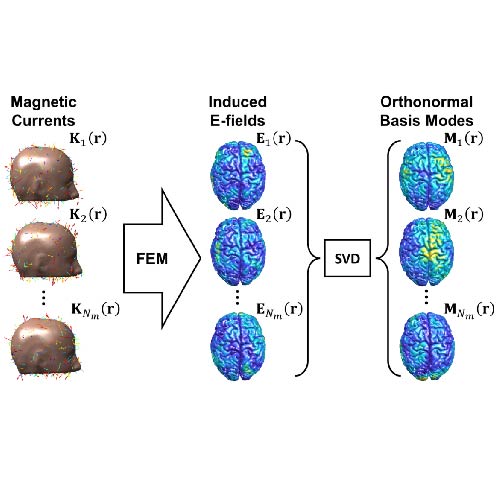
Computational Modeling & Methods
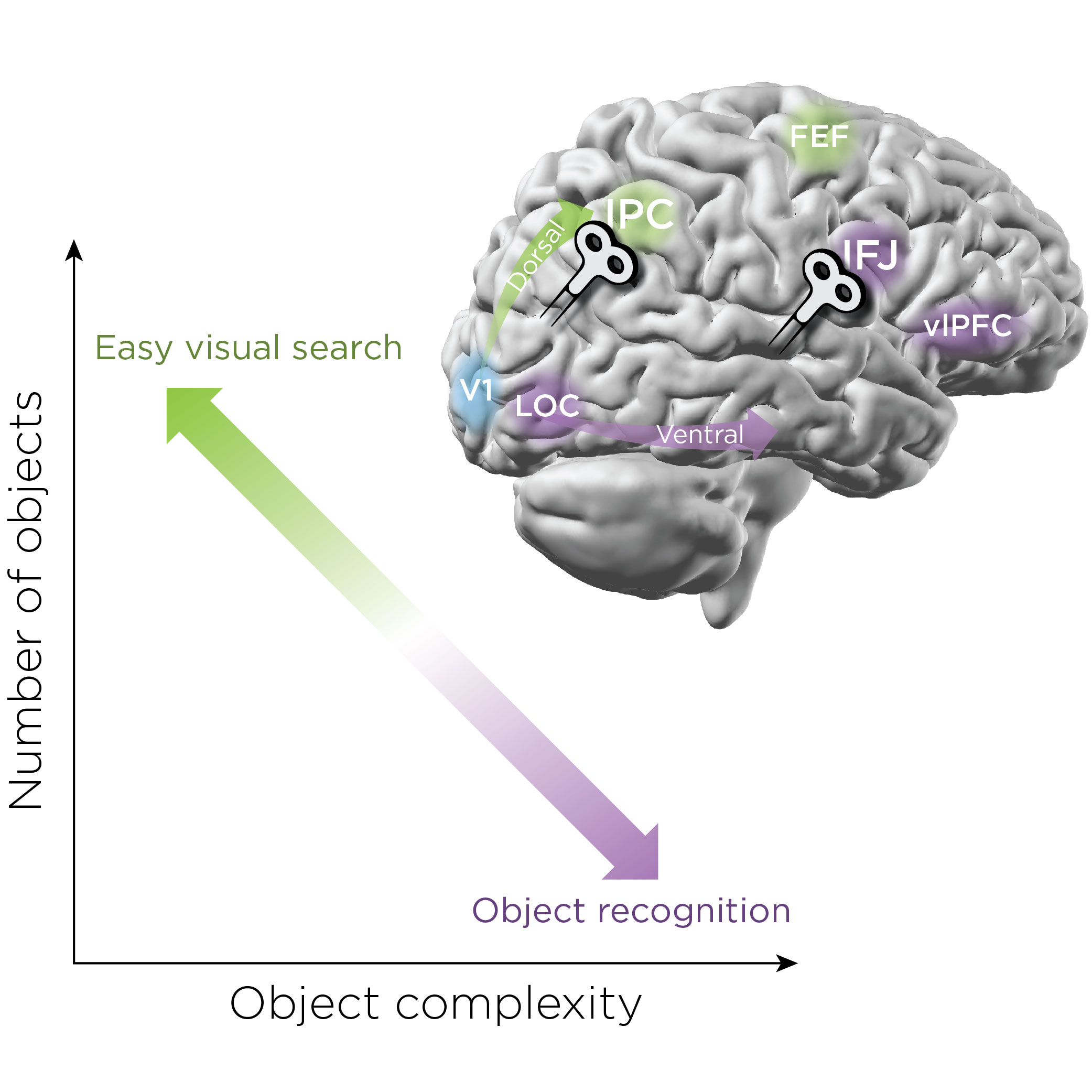
Cognitive & Clinical Applications
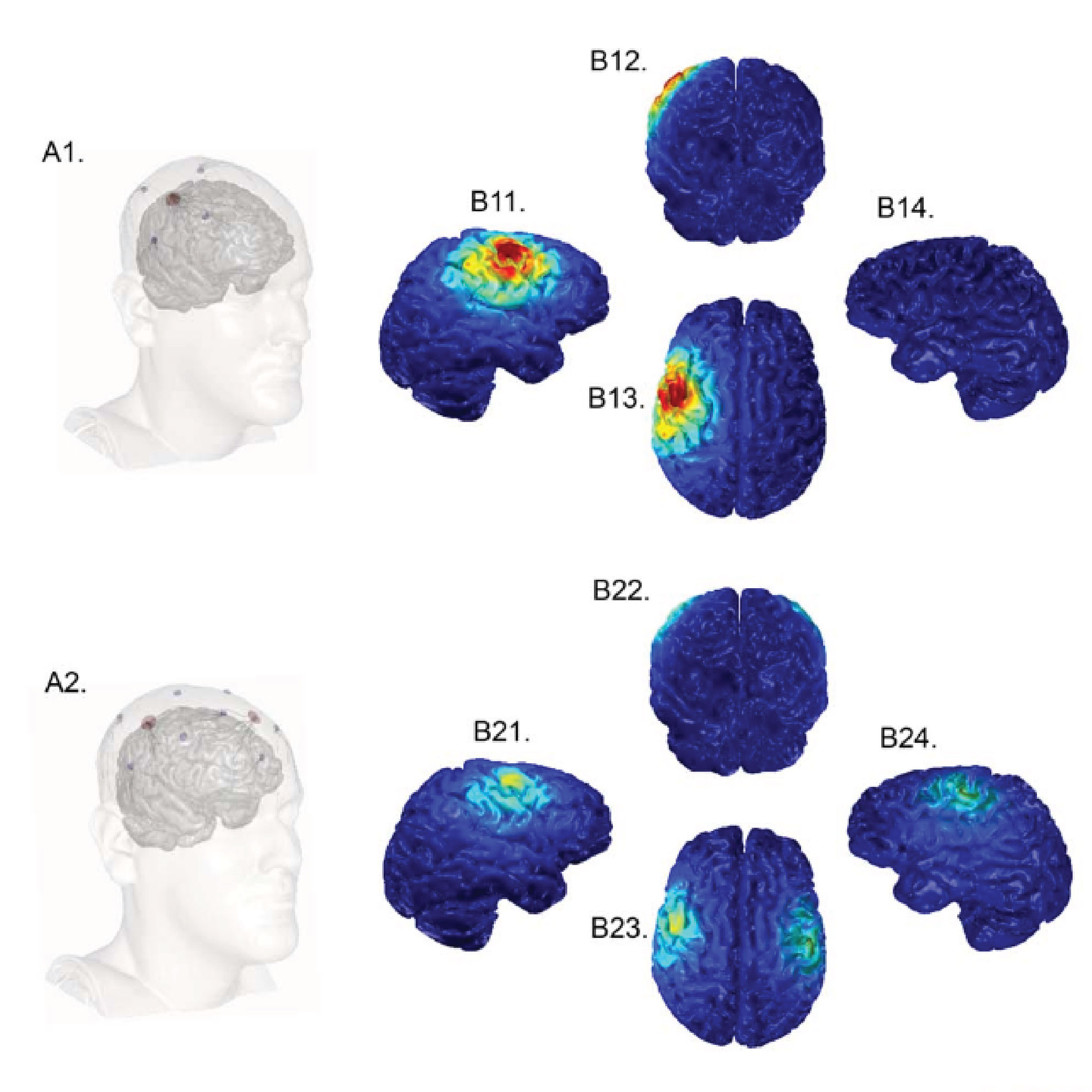
Device, Dosing & Clinical Outcomes
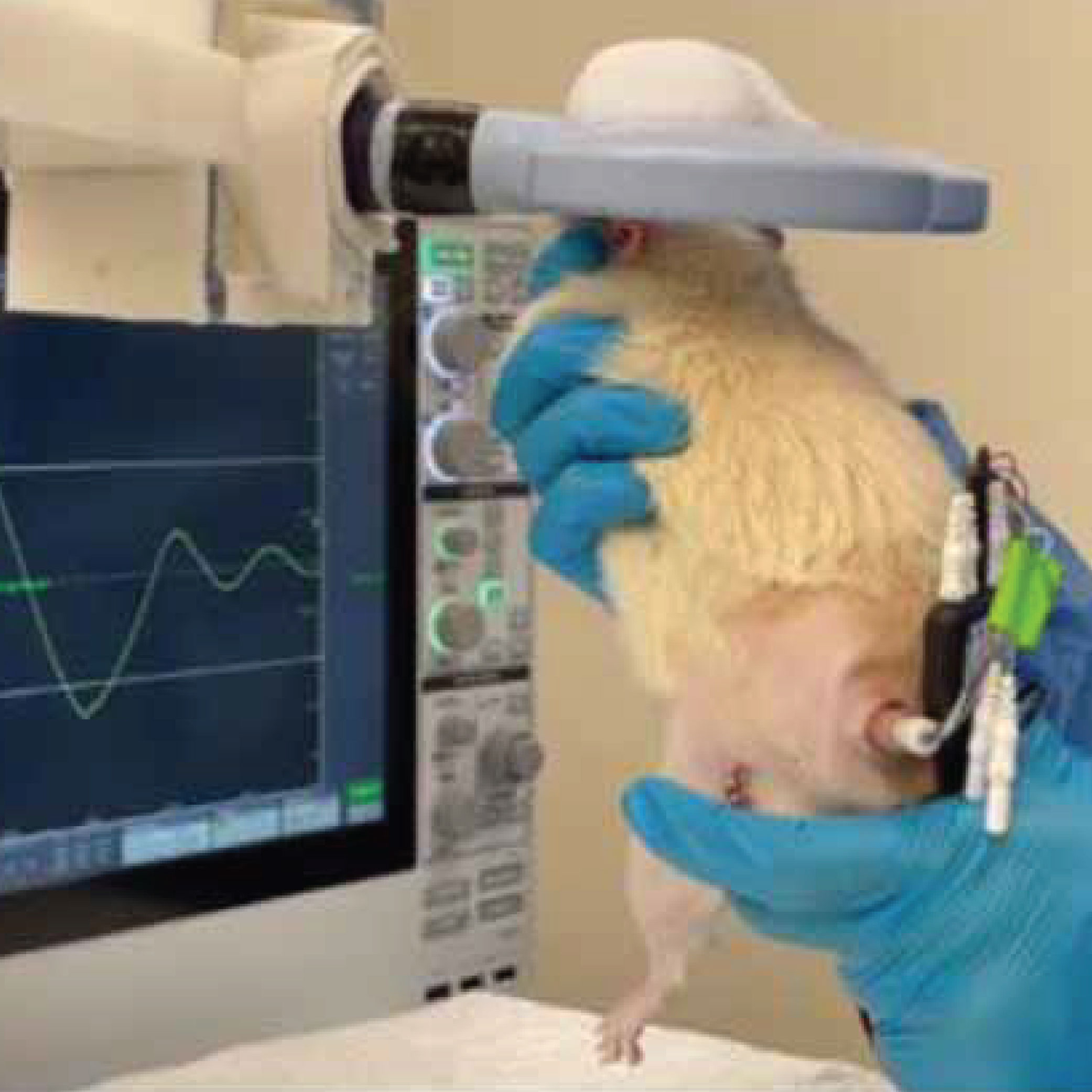
Targeting, Dosimetry & Technique
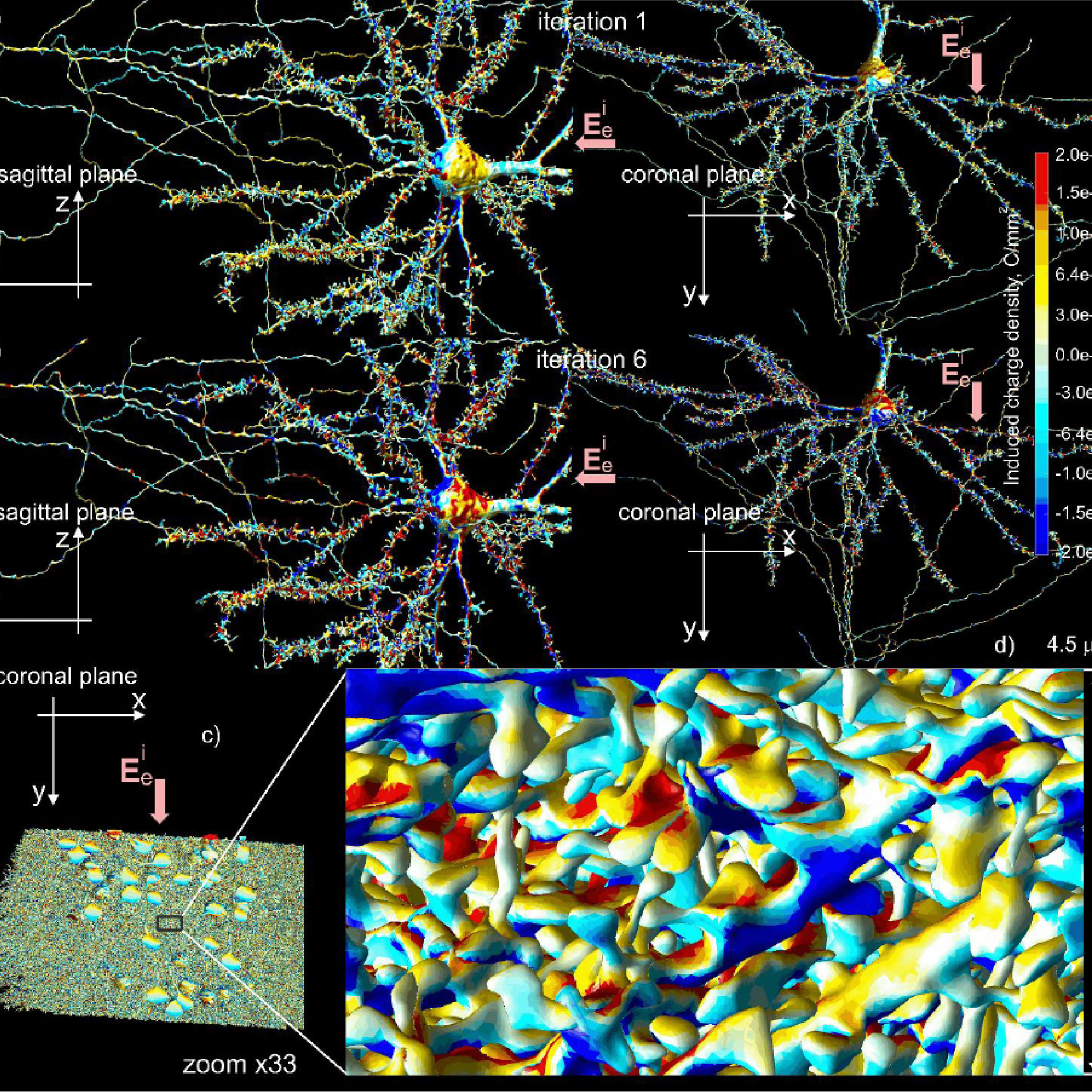
Computational Modeling & Methods
Neuroimaging & Biomarkers
Computational Modeling & Methods
Cognitive & Clinical Applications
Cognitive & Clinical Applications
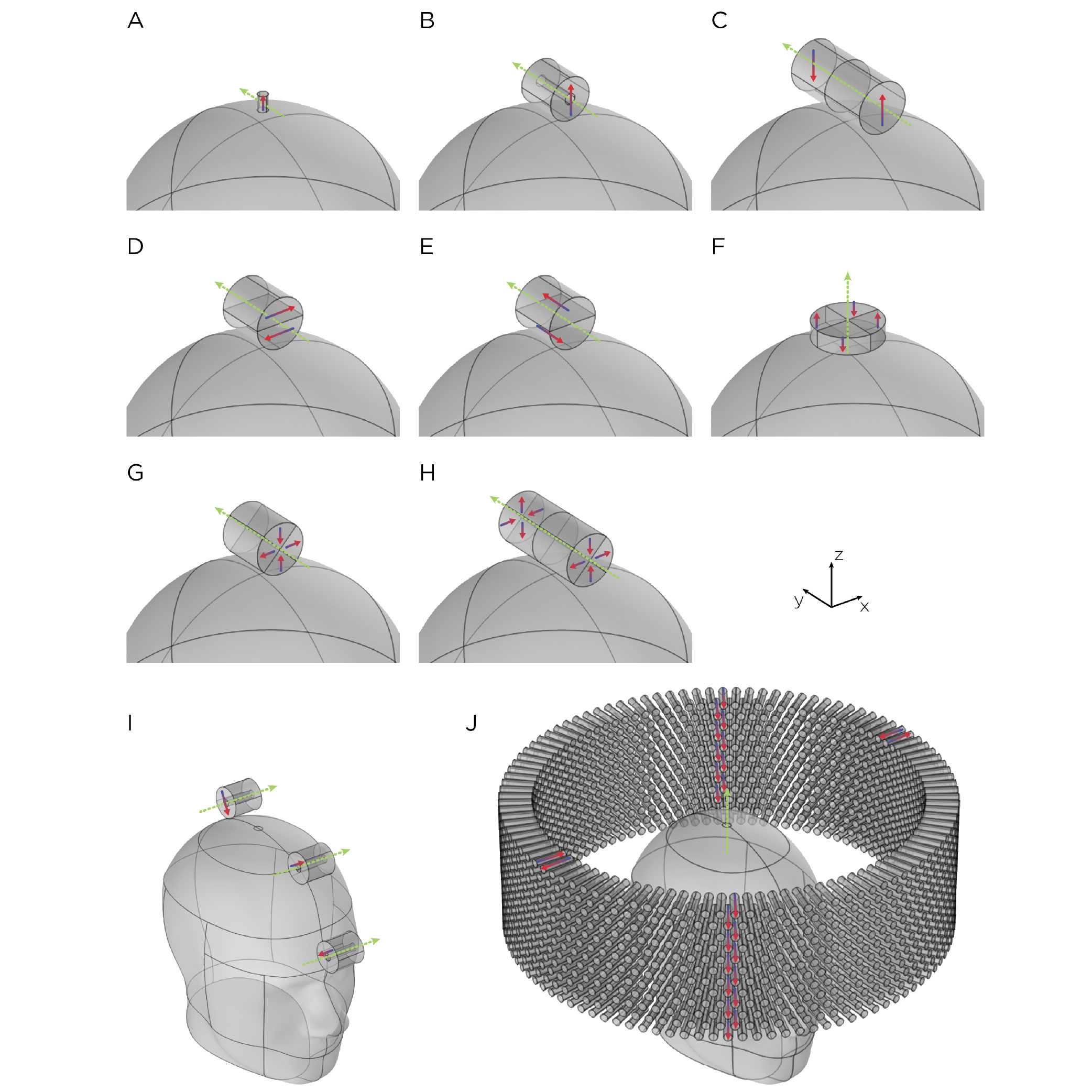
Targeting, Dosimetry & Technique
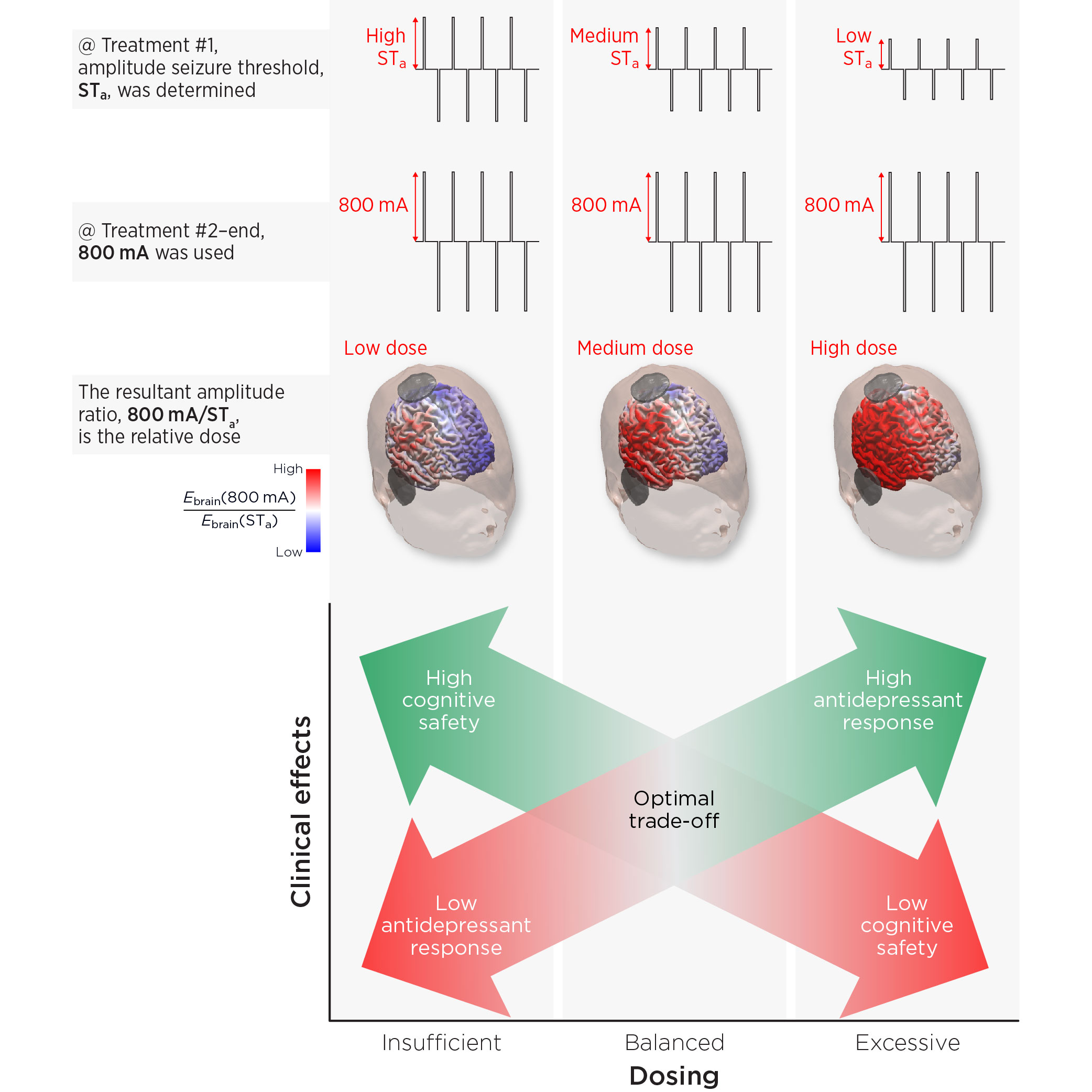
Device, Dosing & Clinical Outcomes
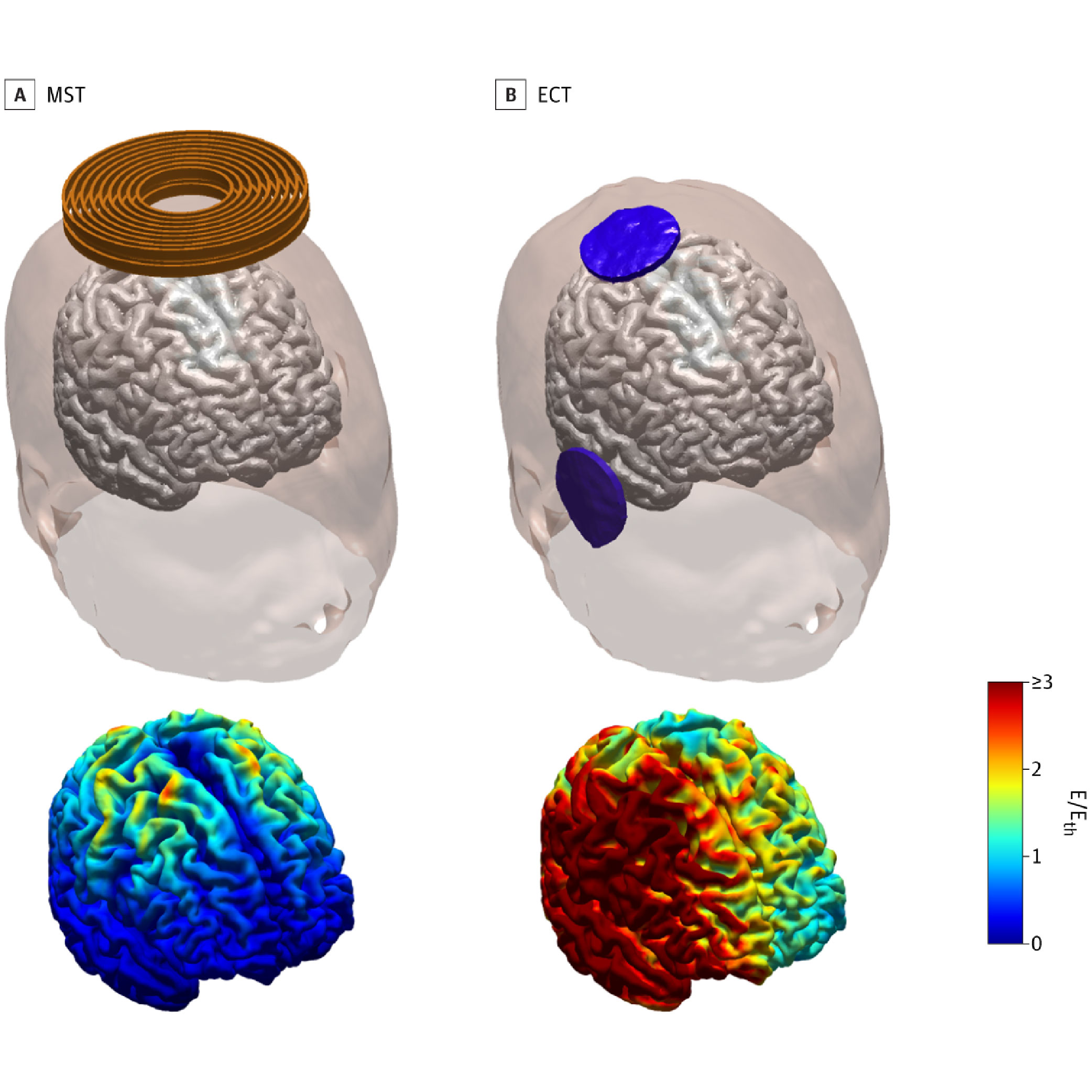
Device, Dosing & Clinical Outcomes
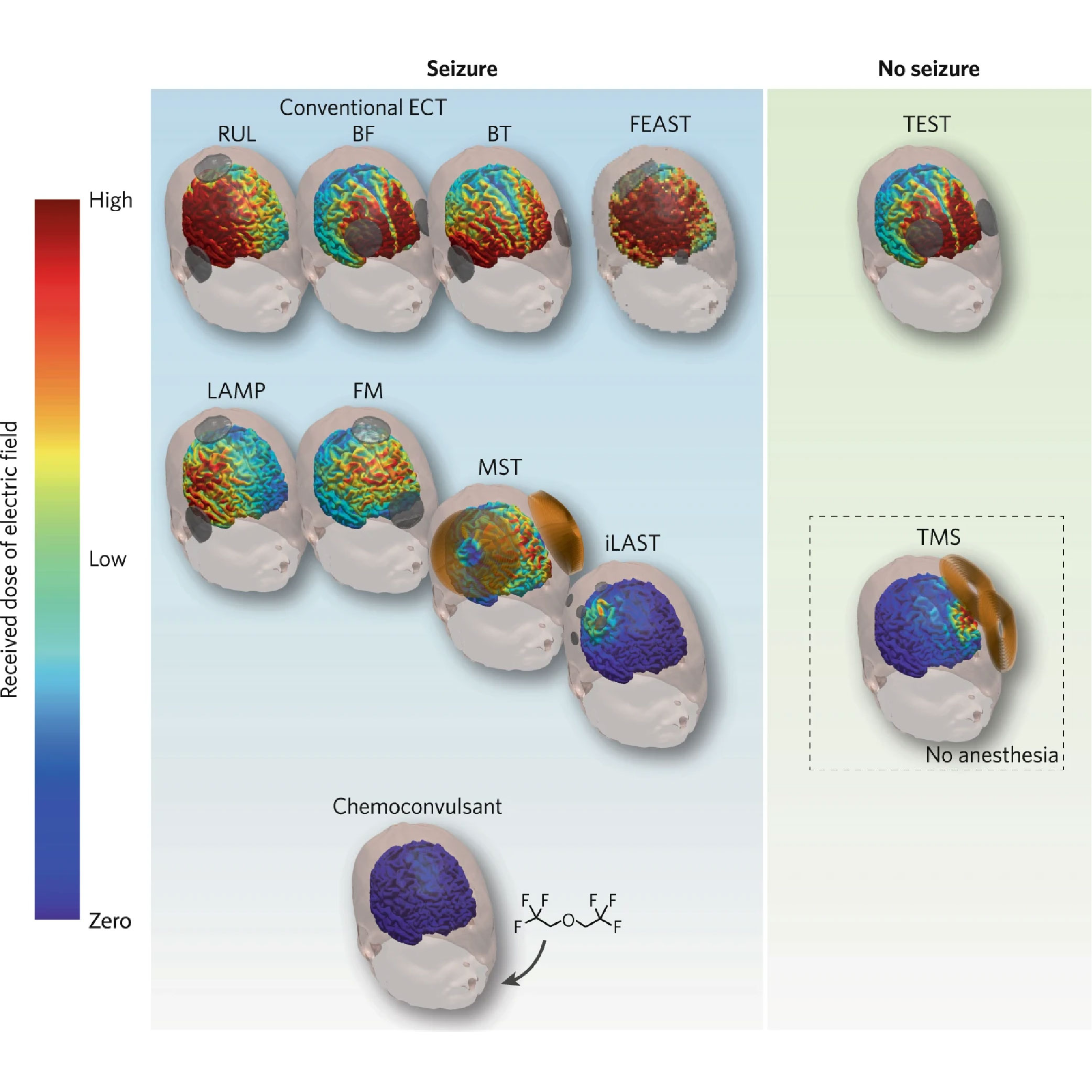
Device, Dosing & Clinical Outcomes
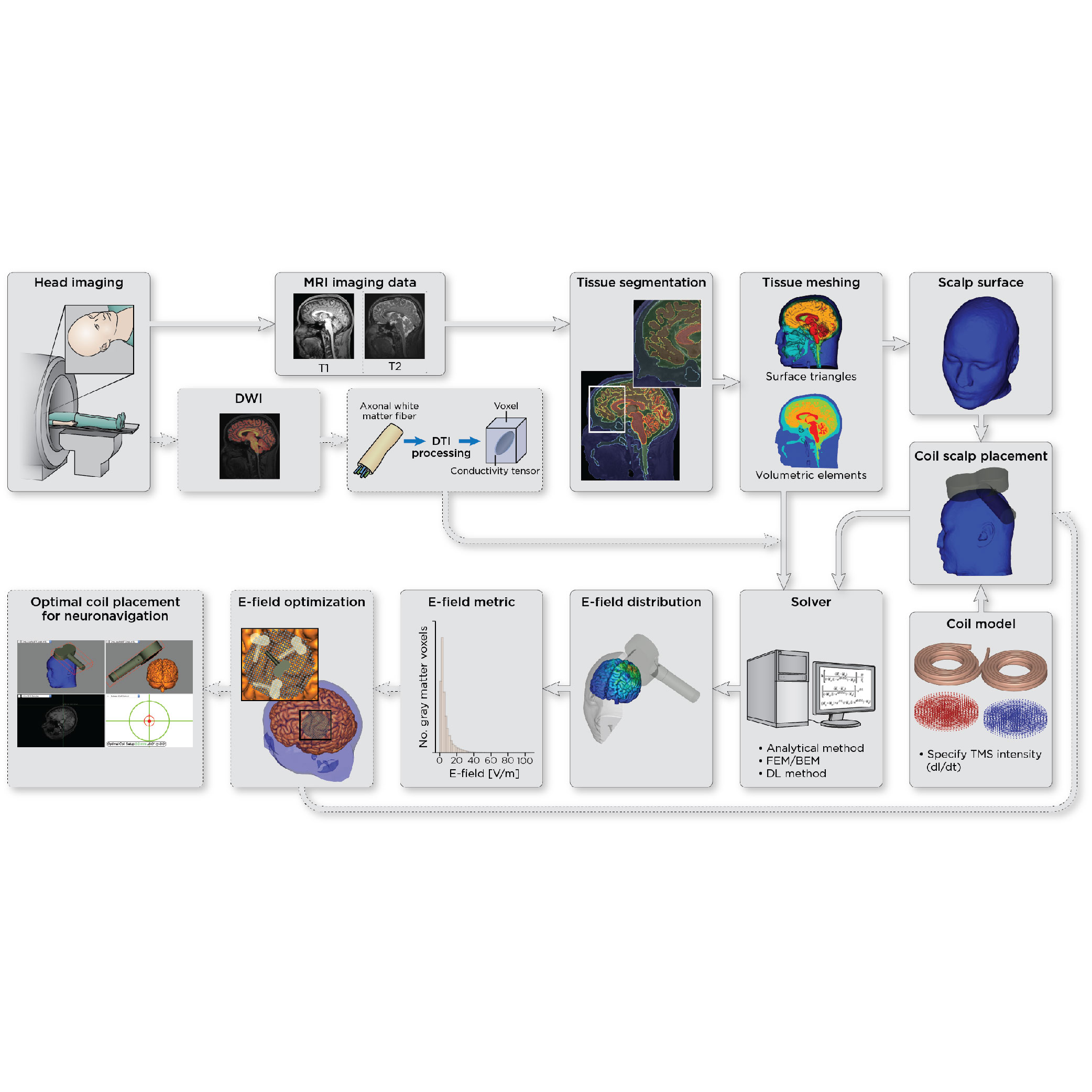
Targeting, Dosimetry & Technique
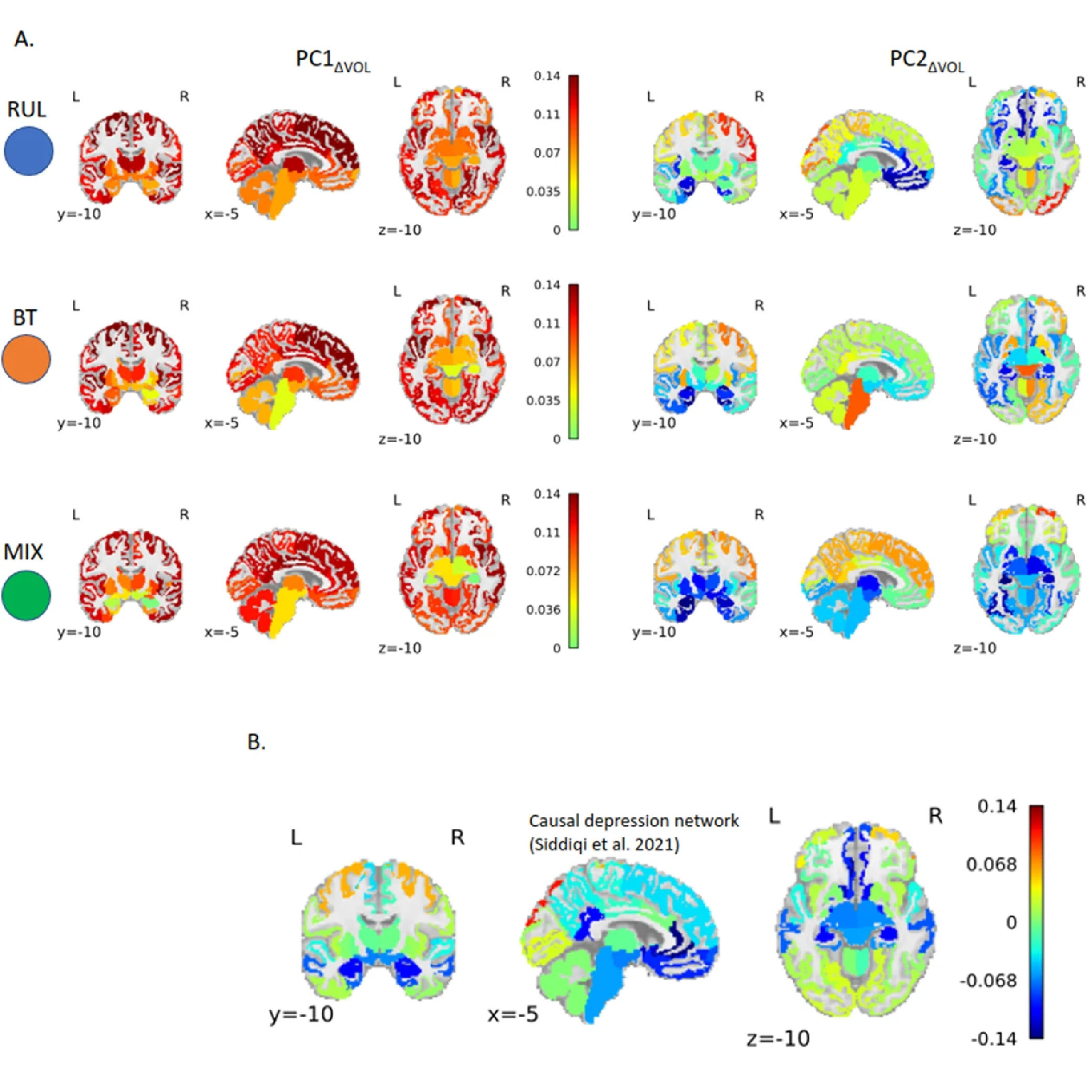
Neuroimaging & Biomarkers
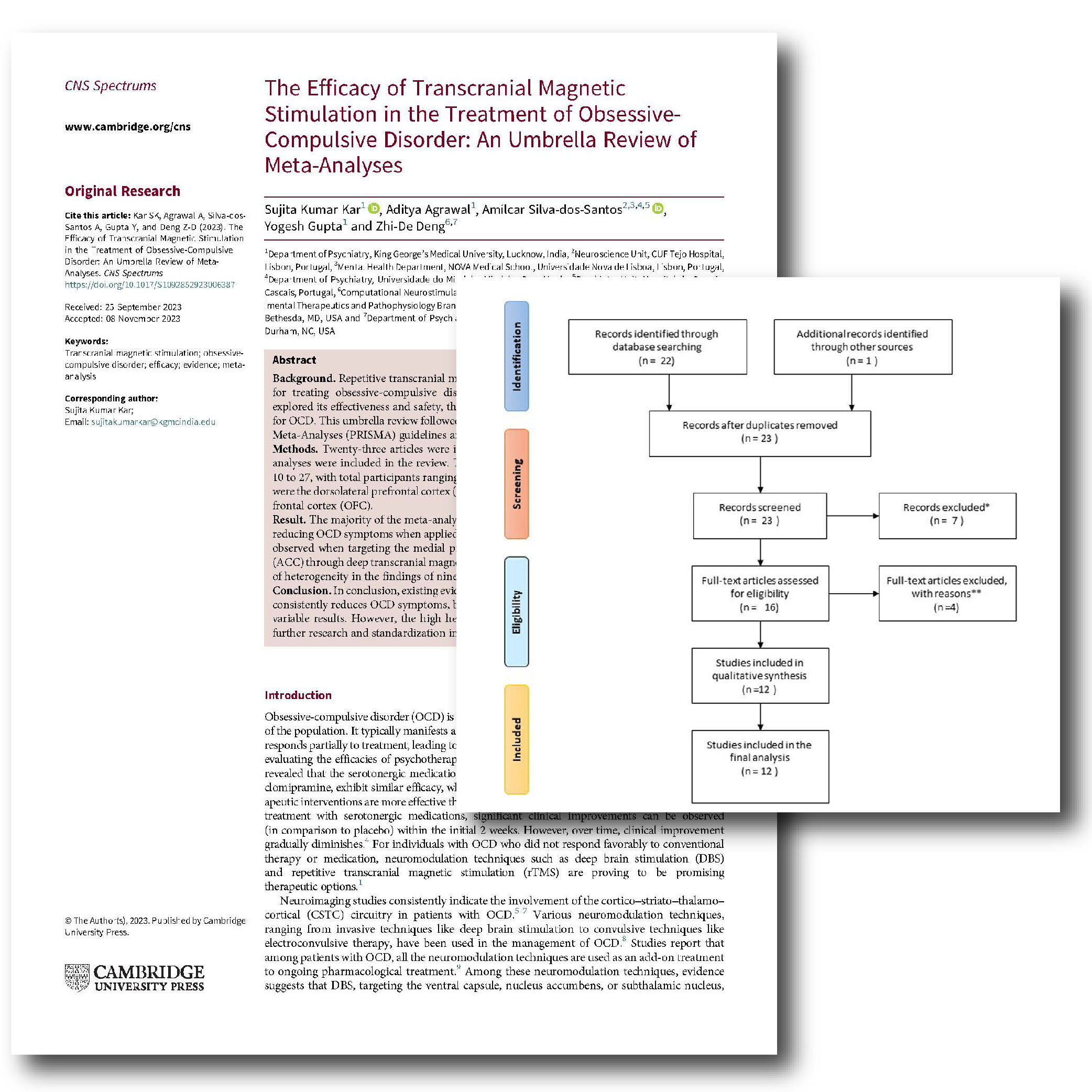
Cognitive & Clinical Applications
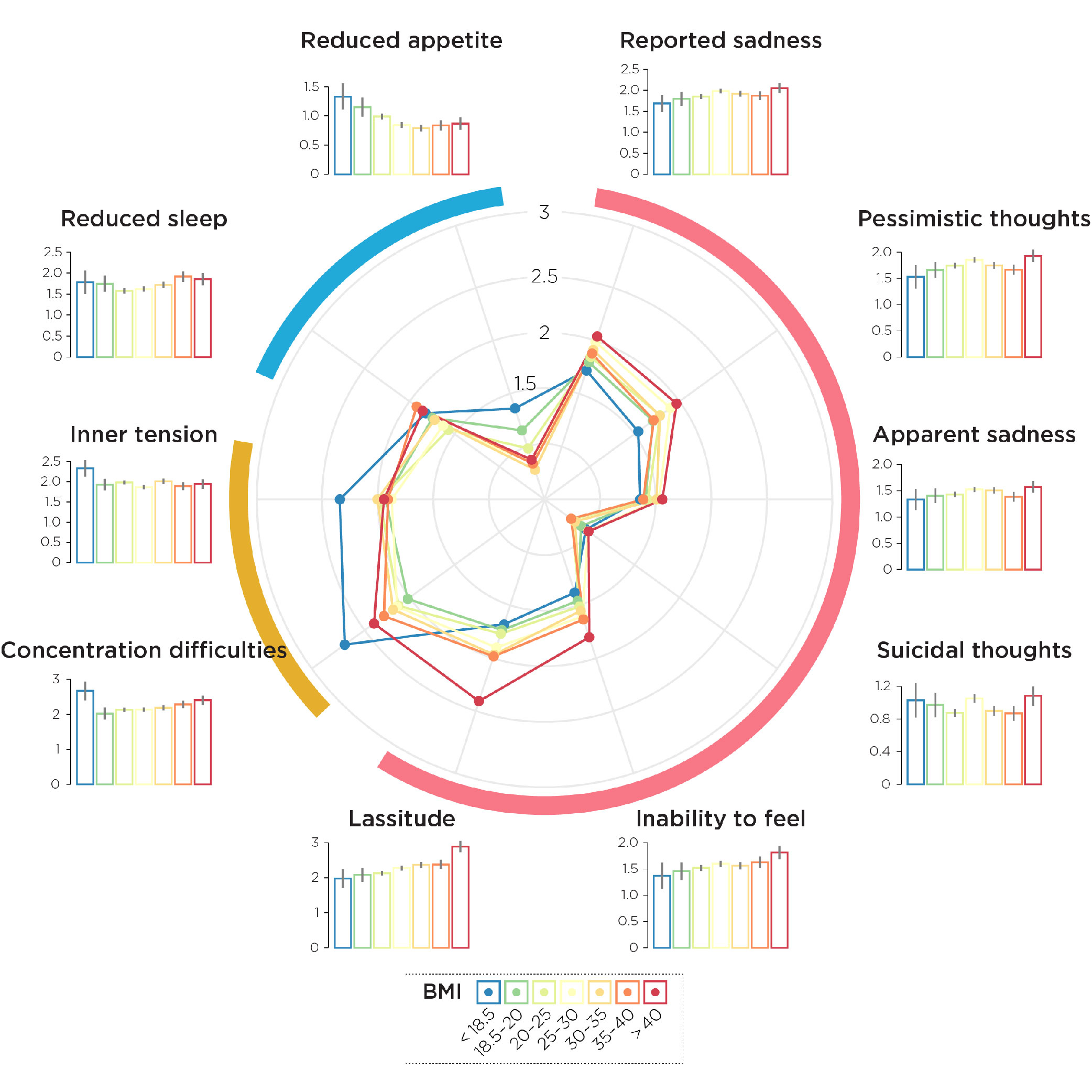
Clinical Psychiatry

Assessing ultra-low-field MRI-derived head models for electric field simulation in TMS, ECT, and tDCS: Within-subject agreement with 3T
📄 Slides
Individualized head modeling and electric field simulation in tDCS, ECT, and TMS: Current and emerging approaches
📄 Slides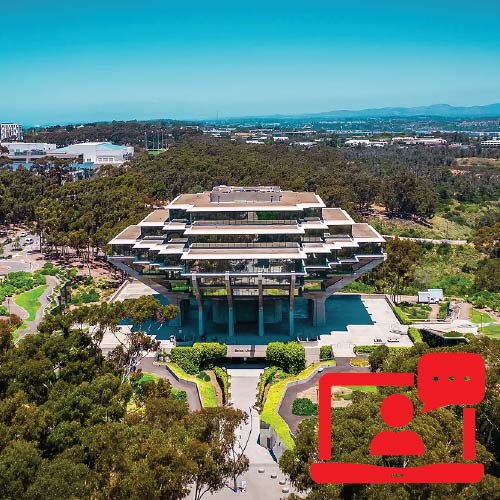
Computational neuroengineering for precision neuromodulation: Dose, device, and treatment optimization

Advancing ECT through computational modeling, dose optimization, and device innovation

Next-generation seizure therapy: Balancing efficacy and cognition with optimized waveforms and personalized targeting
📄 Slides
From physics to practice: Understanding E-field modeling in clinical TMS
📄 Slides
ECT time machine: What yesterday's devices teach about tomorrow's therapy
📄 Slides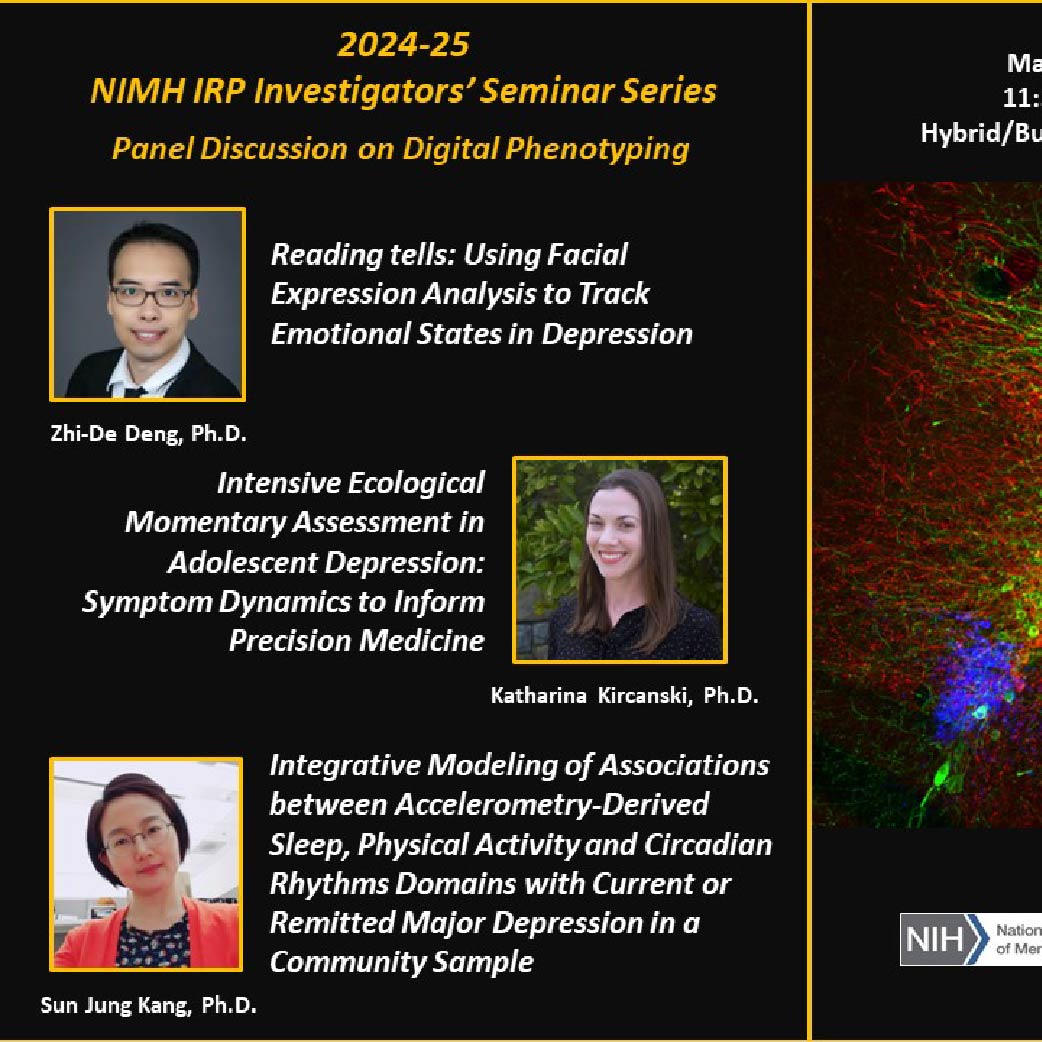
Reading tells: Using facial expression analysis to track emotional states in depression
📄 Slides

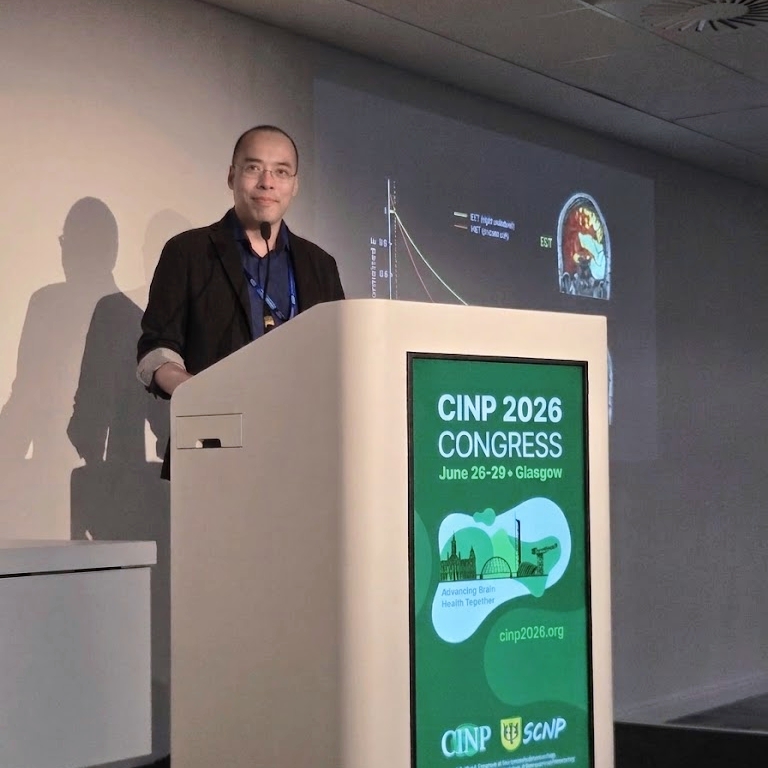
JUN 2026: Zhi presented at the 37th World Congress of Neuropsychopharmacology in Glasgow.
JUN 2026: Zhi spoke at the Clinical TMS Society Annual Meeting in Boston.

MAR 2025: Our article "The impact of body mass index on clinical features of bipolar disorder: A STEP-BD study" named a Top Cited Article in Bipolar Disorders.
MAR 2025: Zhi promoted to Senior Associate Scientist.
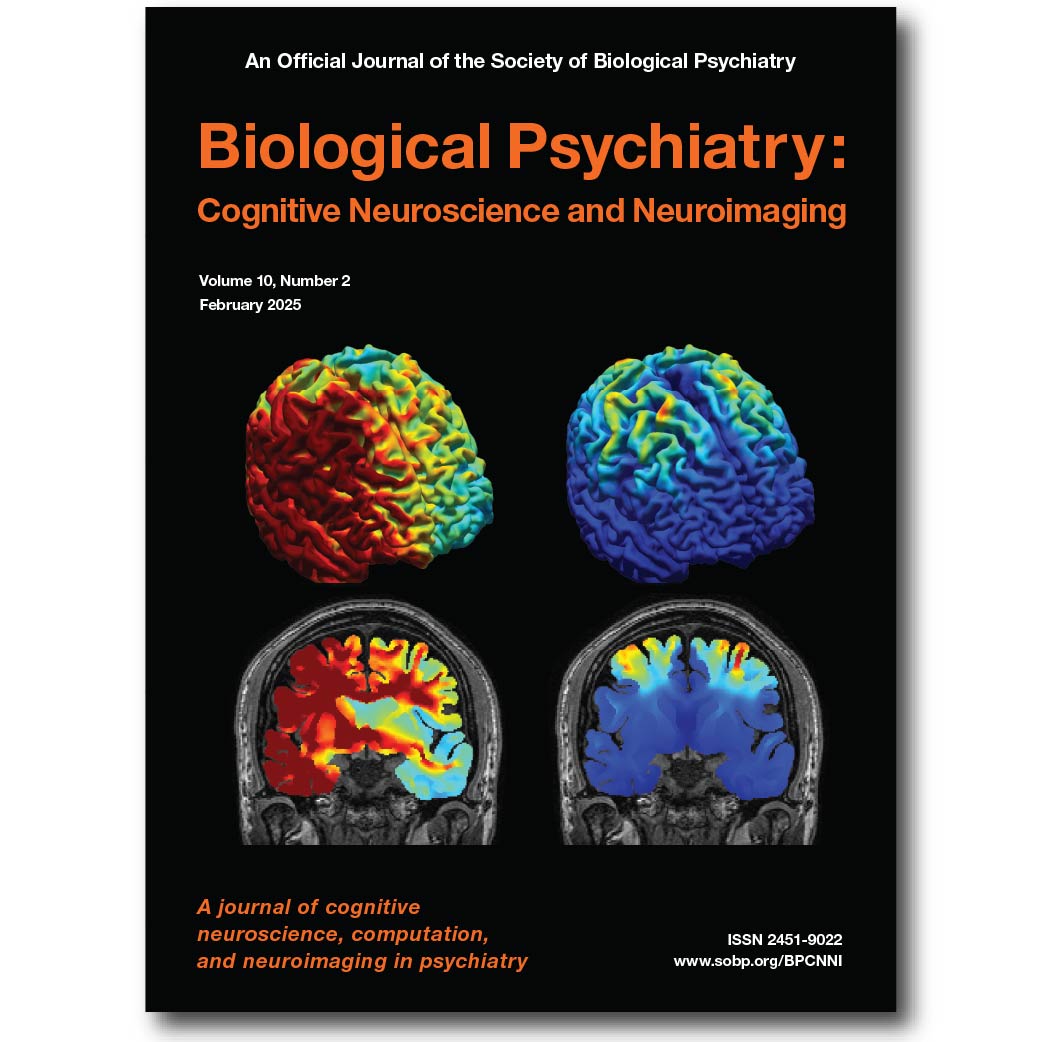
FEB 2025: Our article has been featured on the cover of Biological Psychiatry: Cognitive Neuroscience and Neuroimaging! We are honored to have our work recognized in this way and grateful to our collaborators and supporters. Read the full paper here.
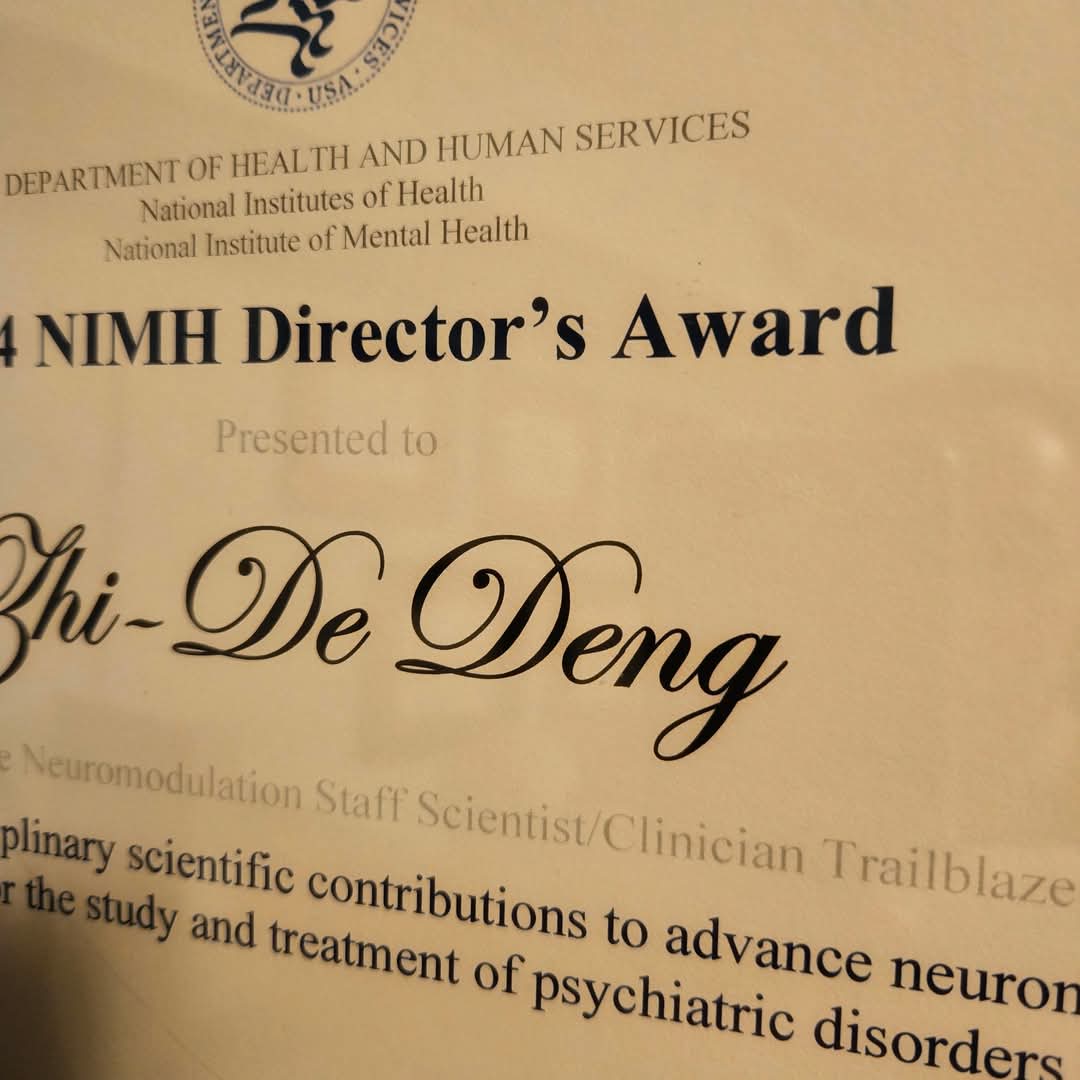
DEC 2024: Zhi received NIMH Director's Award for outstanding transdisciplinary scientific contributions to advance neuromodulation technologies for the study and treatment of psychiatric disorders.
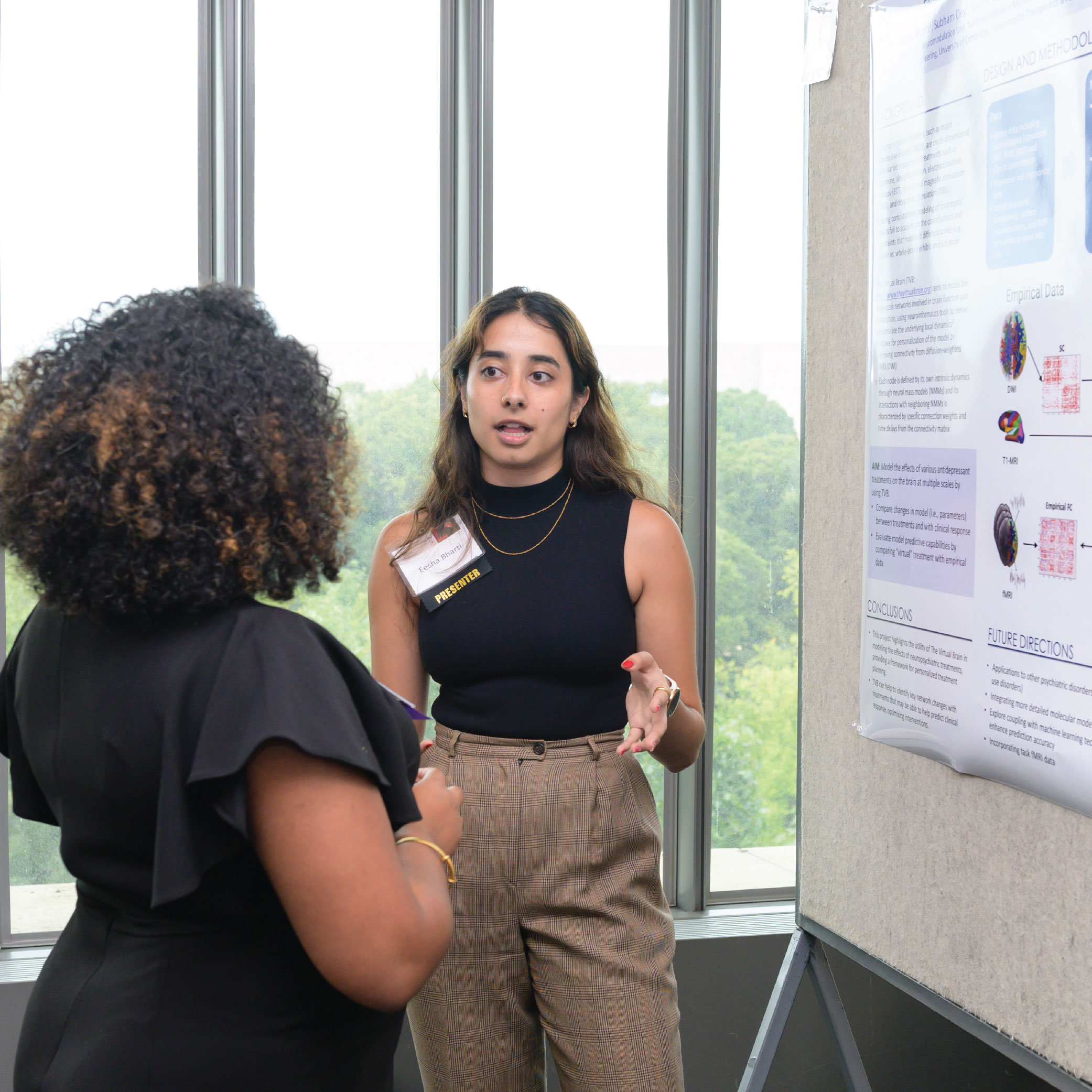
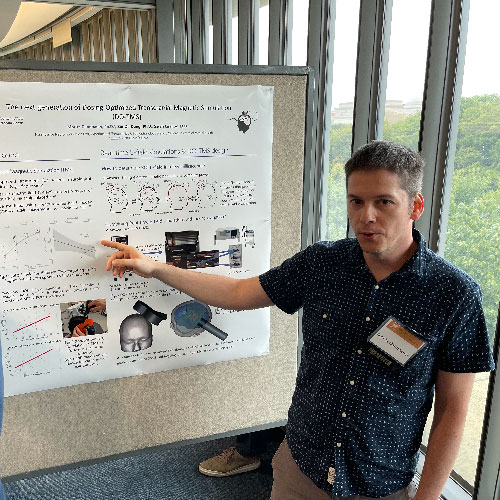
SEPT 2024: Eesha presented a poster at the NIMH Scientific Training Day on Personalized Brain Modeling for Psychiatric Treatments. Subham also presented his poster on A Robust State Estimation Strategy for Brain Stimulation.
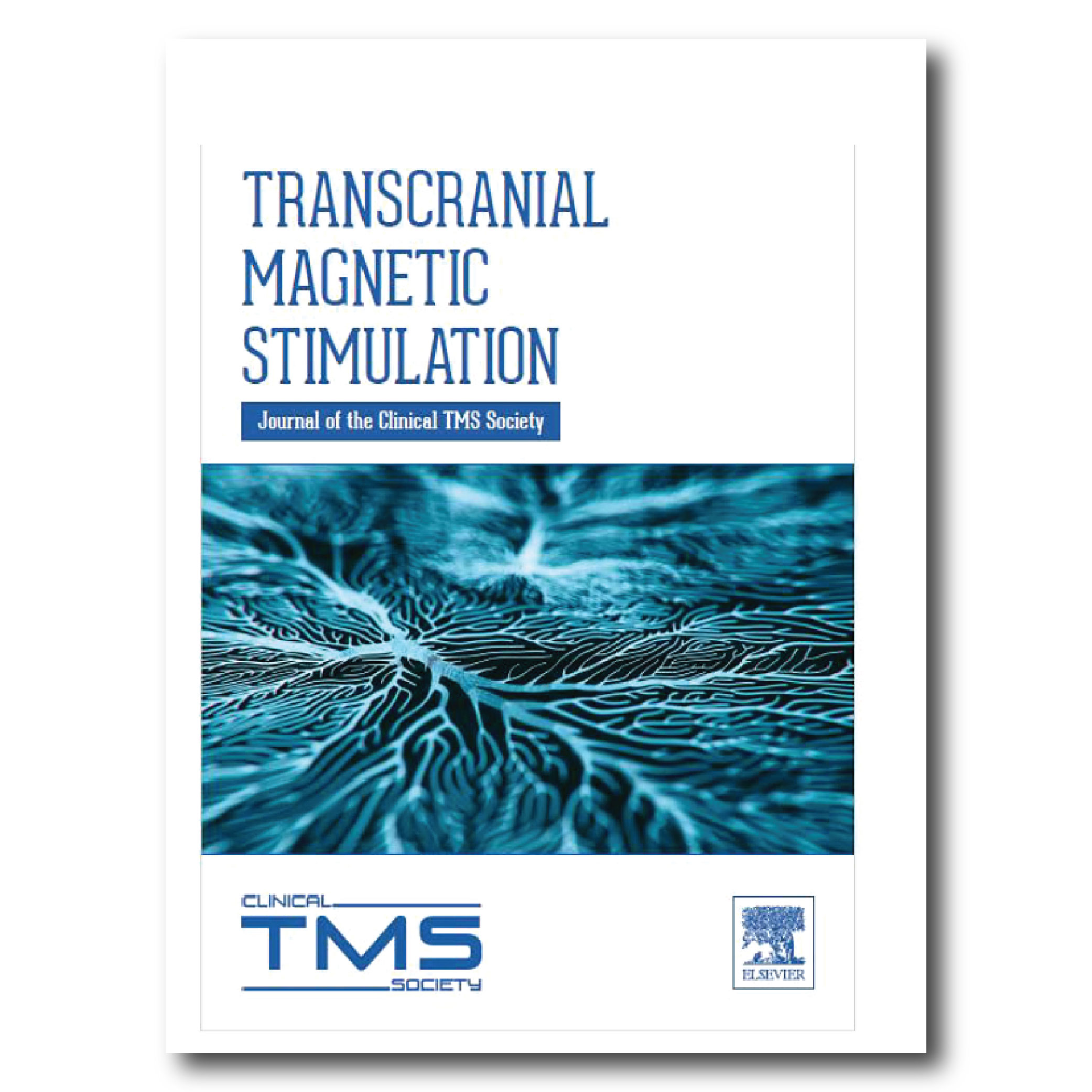
AUG 2024: Zhi joins the Editorial Board of the newly launched journal Transcranial Magnetic Stimulation: Journal of the Clinical TMS Society, where he will be serving as a Deputy Editor. Rumor has it that he's open to bribes.
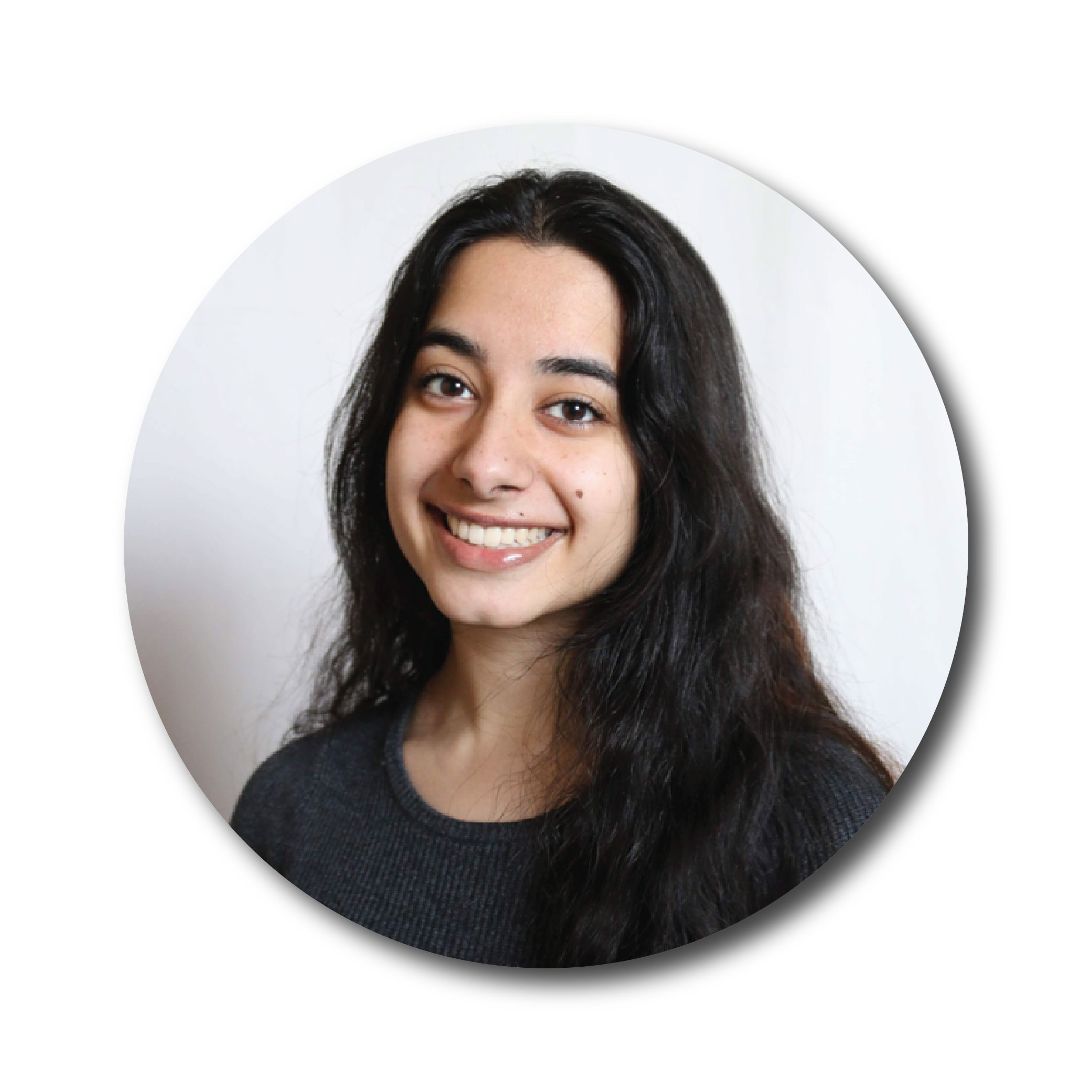
JULY 2024: We are thrilled to announce that Eesha Bharti has officially started her PhD through the NIH–Cambridge Scholars Program. Eesha will be conducting research in the Computational Neurostimulation Research Program, and will be co-mentored by Drs. Valerie Voon and Stefan Goetz of University of Cambridge. We look forward to the fresh perspectives and scholarly contributions that Eesha will bring to the field of neuromodulation.
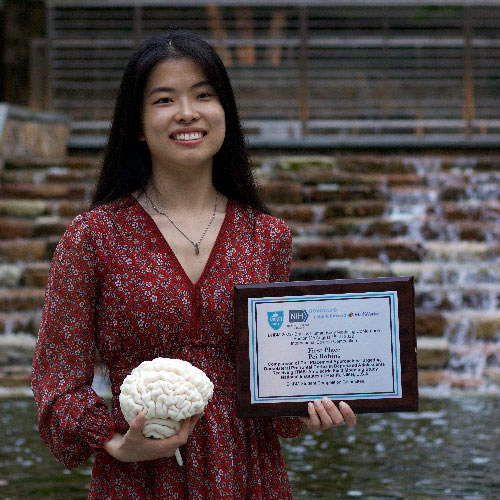
JULY 2024: Congratulations to Pei Robins for completing the NIH Postbac IRTA program! Throughout her training, Pei has demonstrated exceptional dedication, hard work, and a passion for neurostimulation research. Her contributions have been invaluable, and her achievements are truly commendable. As Pei moves forward to the next exciting chapter of her academic journey, we want to extend our heartfelt congratulations and best wishes for continued success.
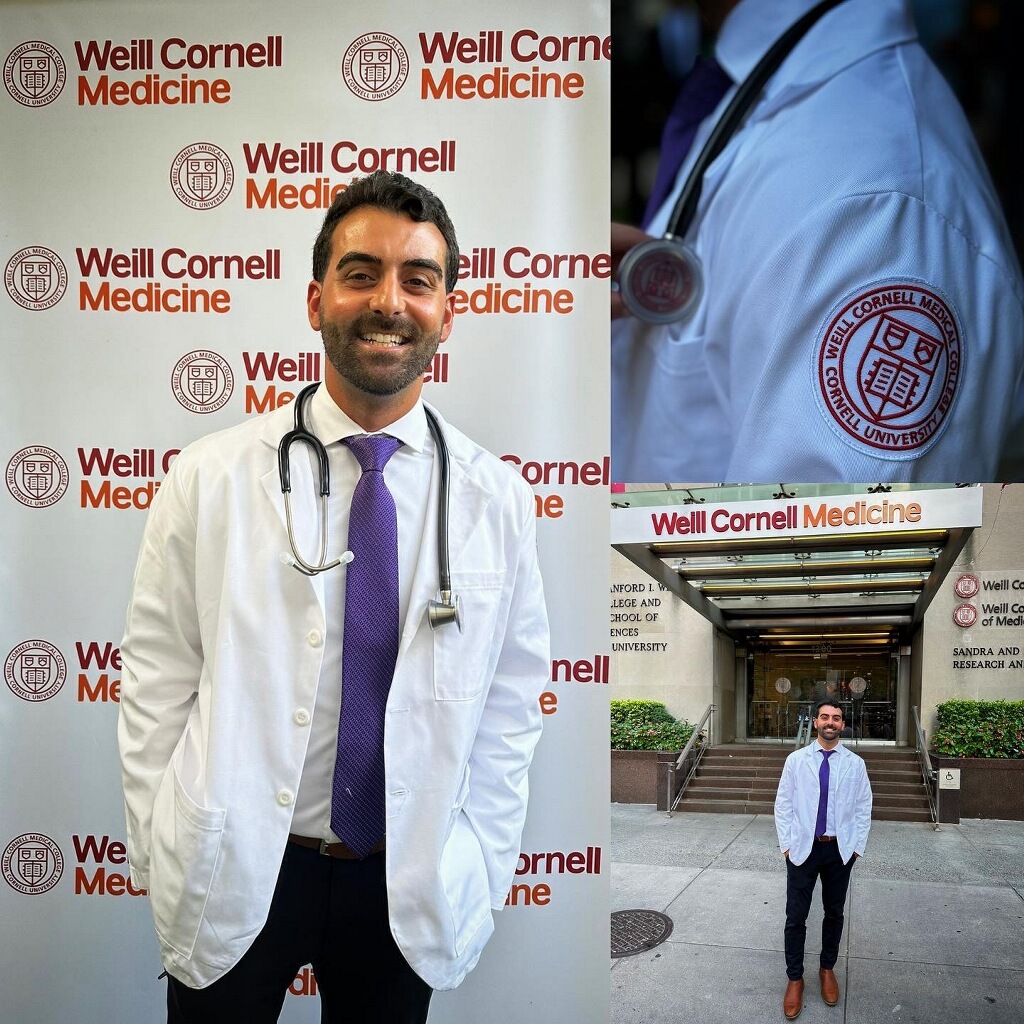
MAY 2024: We are thrilled to announce that Michael Dib has been accepted into Cornell Medical School! Well done, Michael, and best of luck!
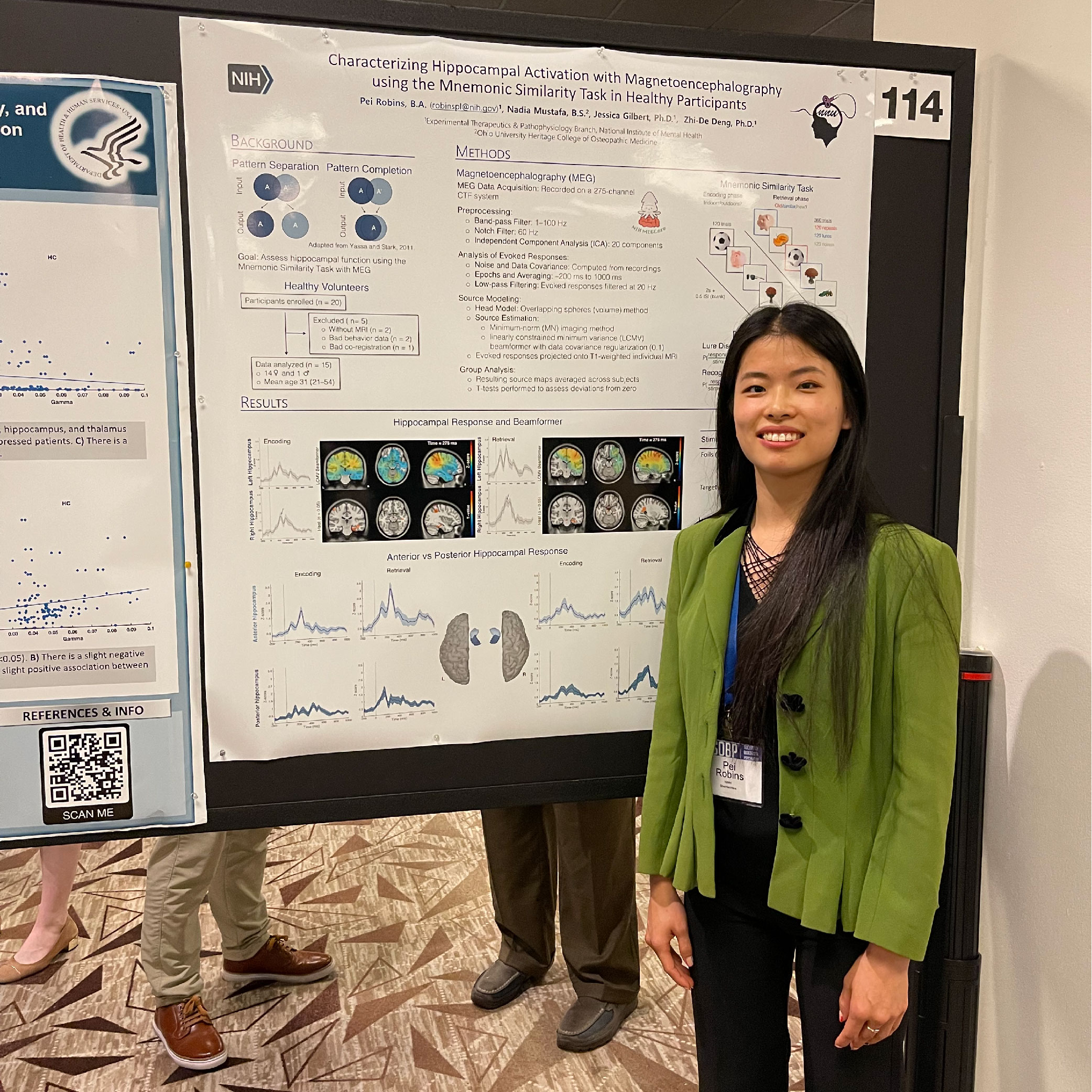
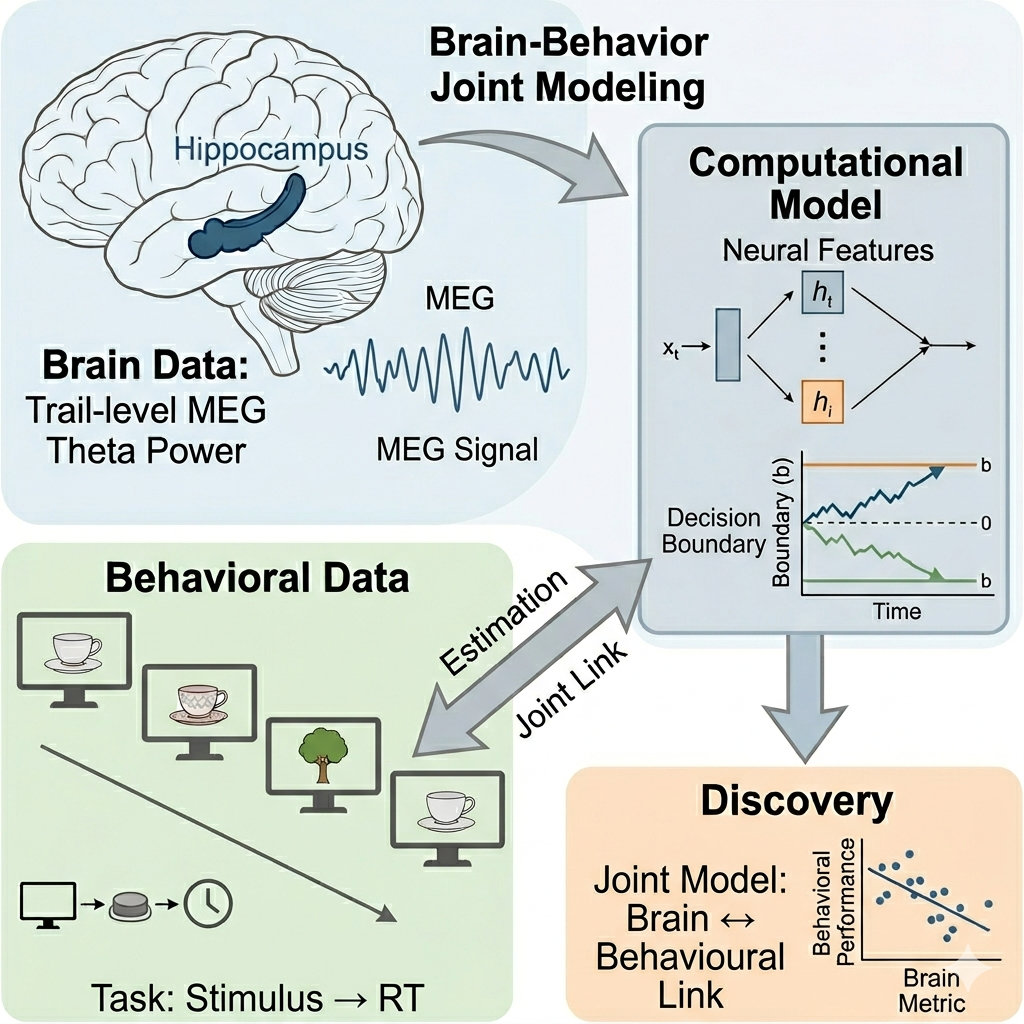
MAY 2024: Pei Robins presented a poster at the Society of Biological Psychiatry annual meeting on our work on magnetoencephalographic assessment of hippocampal activity using the Mnemonic Similarity Task.
APR 2024: Congratulations to Dr. Moritz Dannhauer for completing his research fellowship at the NIH. He will be Assistant Professor in the Department of Computer Science at East Carolina University in the Fall.